
Up to 66 kg (145 lb) — the weight of an adult human, all of it chill.
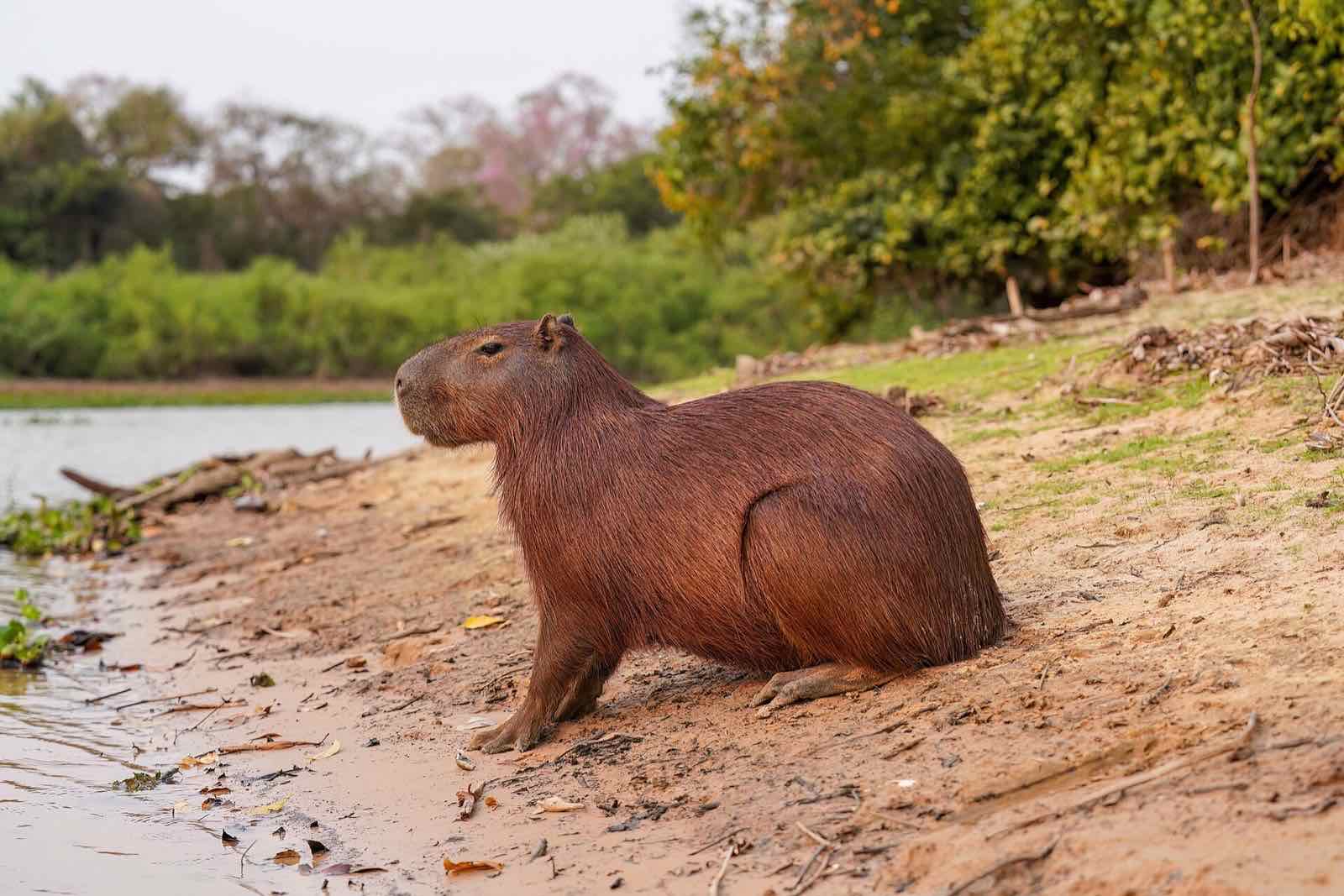
Hydrochoerus hydrochaeris · the water pig · the grass eater
Respect the Capybara
The world's largest rodent. Olympic swimmer. Living bird bench. Professional chiller.
Everything you ever wanted to know — and a few things you didn't know you needed.
01 · By the numbers
A very large, very calm rodent.
Nose to rump. No tail to speak of — just a tiny vestigial nub.
How long a capybara can stay underwater to hide from danger.
Top sprint speed on land. Chill does not mean slow.
Of fresh grass eaten every single day.
Herd size in the dry season, when everyone crowds around the last water.
Kingdom AnimaliaClass MammaliaOrder RodentiaFamily CaviidaeGenus HydrochoerusCousin Guinea pig 🐹
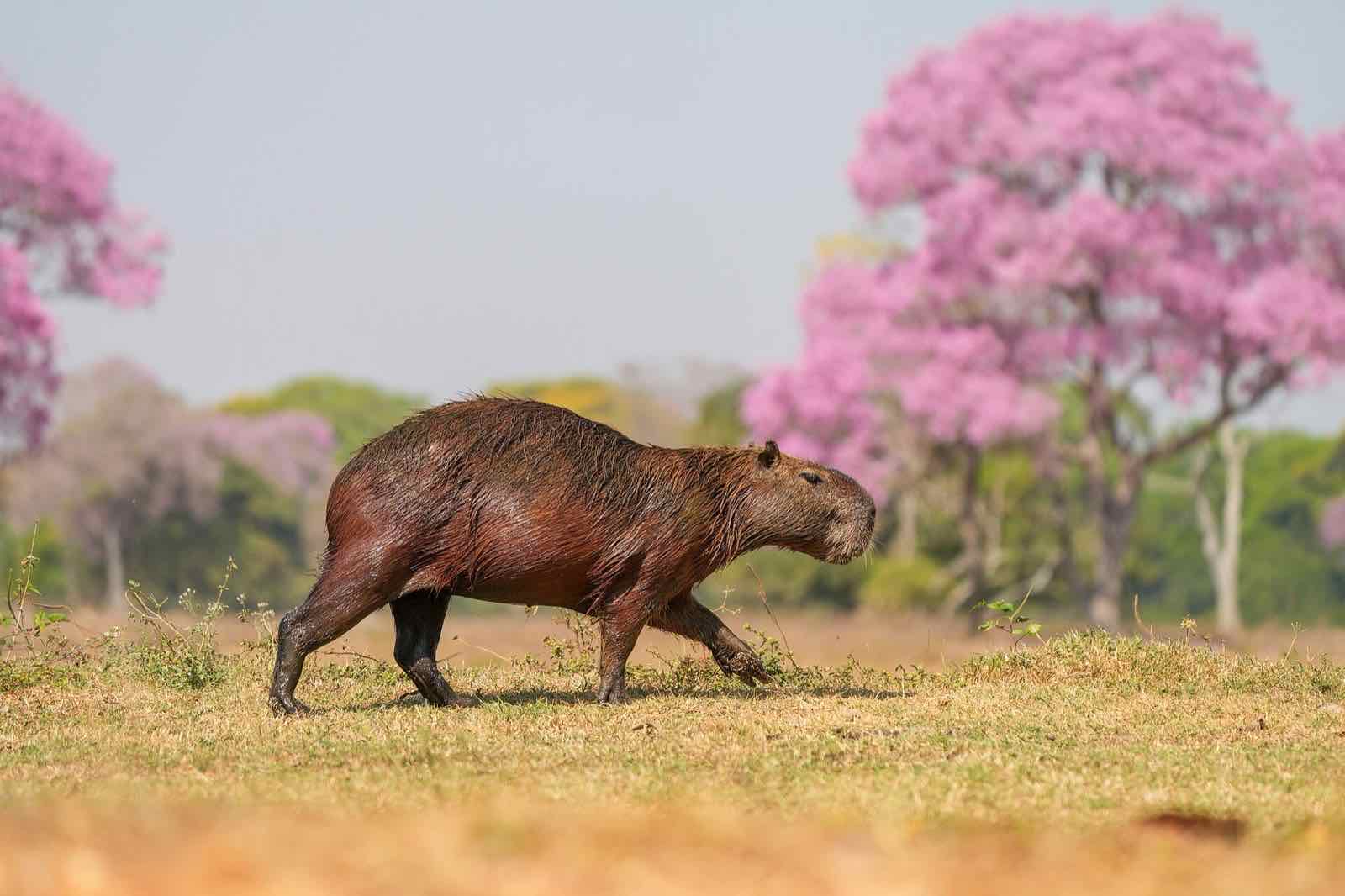
“Capybara” comes from the Tupi word for grass-eater. Its scientific name, Hydrochoerus, means water pig. It is neither a pig nor picky.
02 · Anatomy of a legend
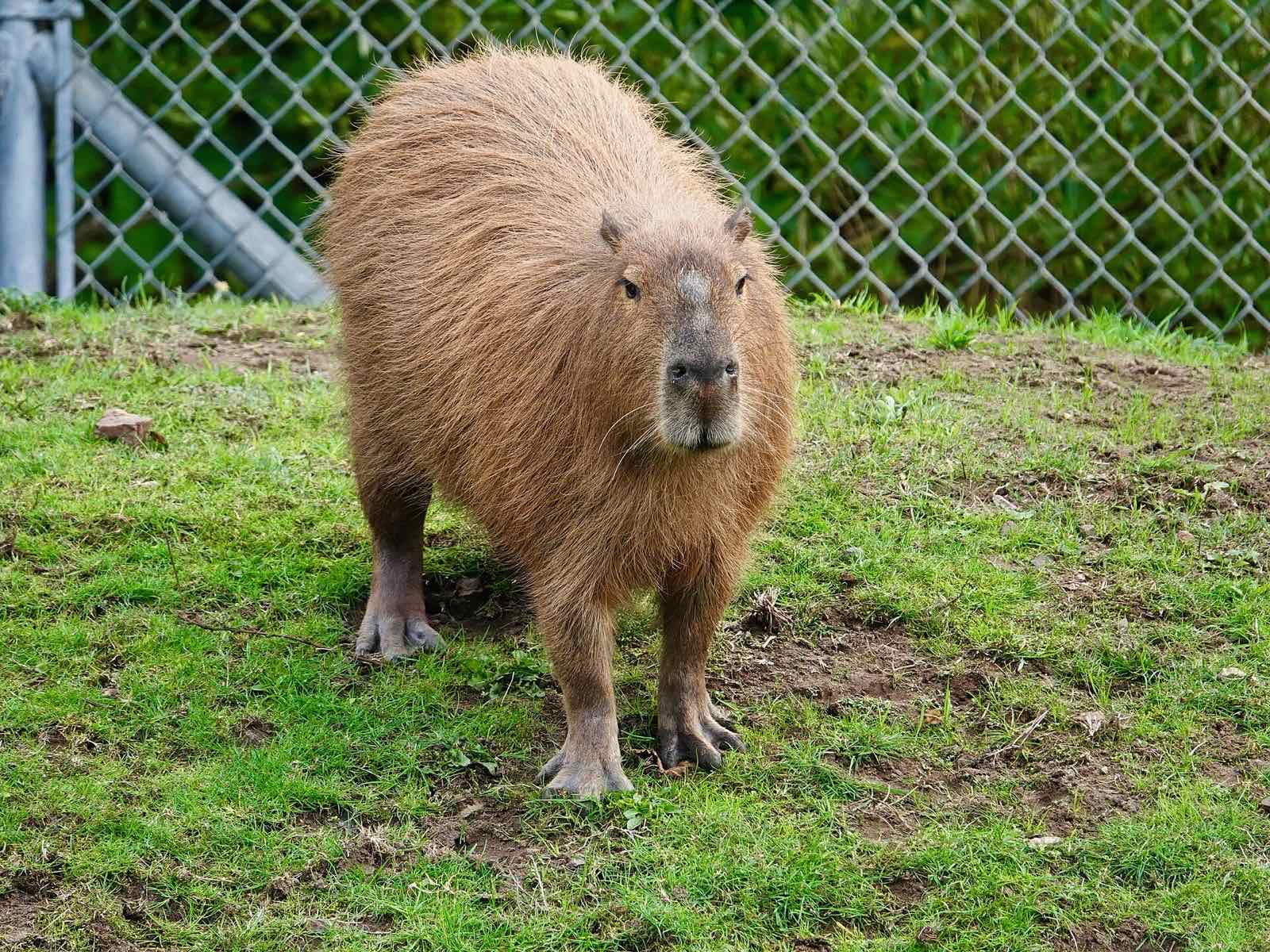
Built like a submarine with a sofa inside.
Tap the glowing dots.
03 · Built for water
Half land.
Half lake.
Scroll →
01
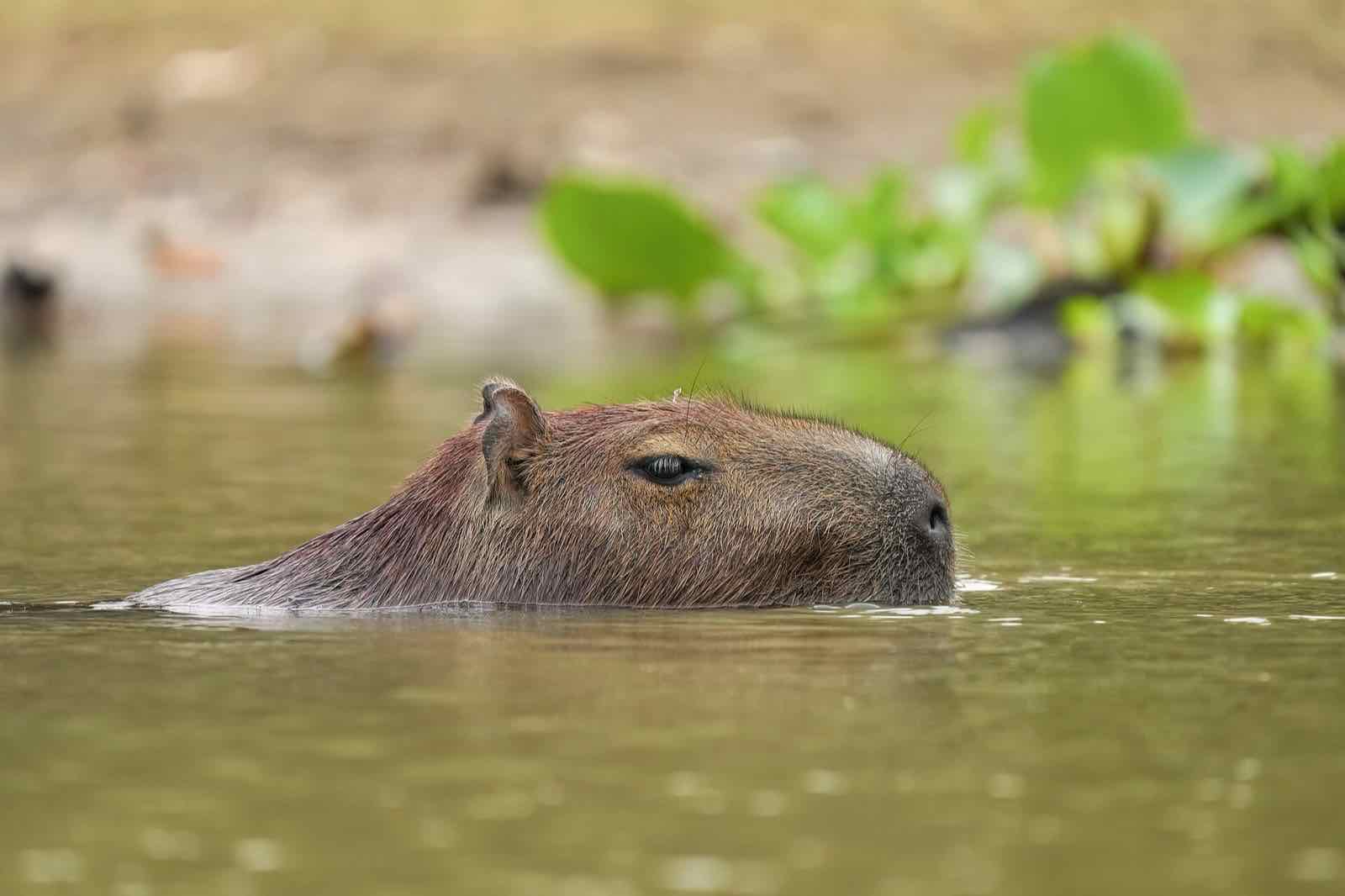
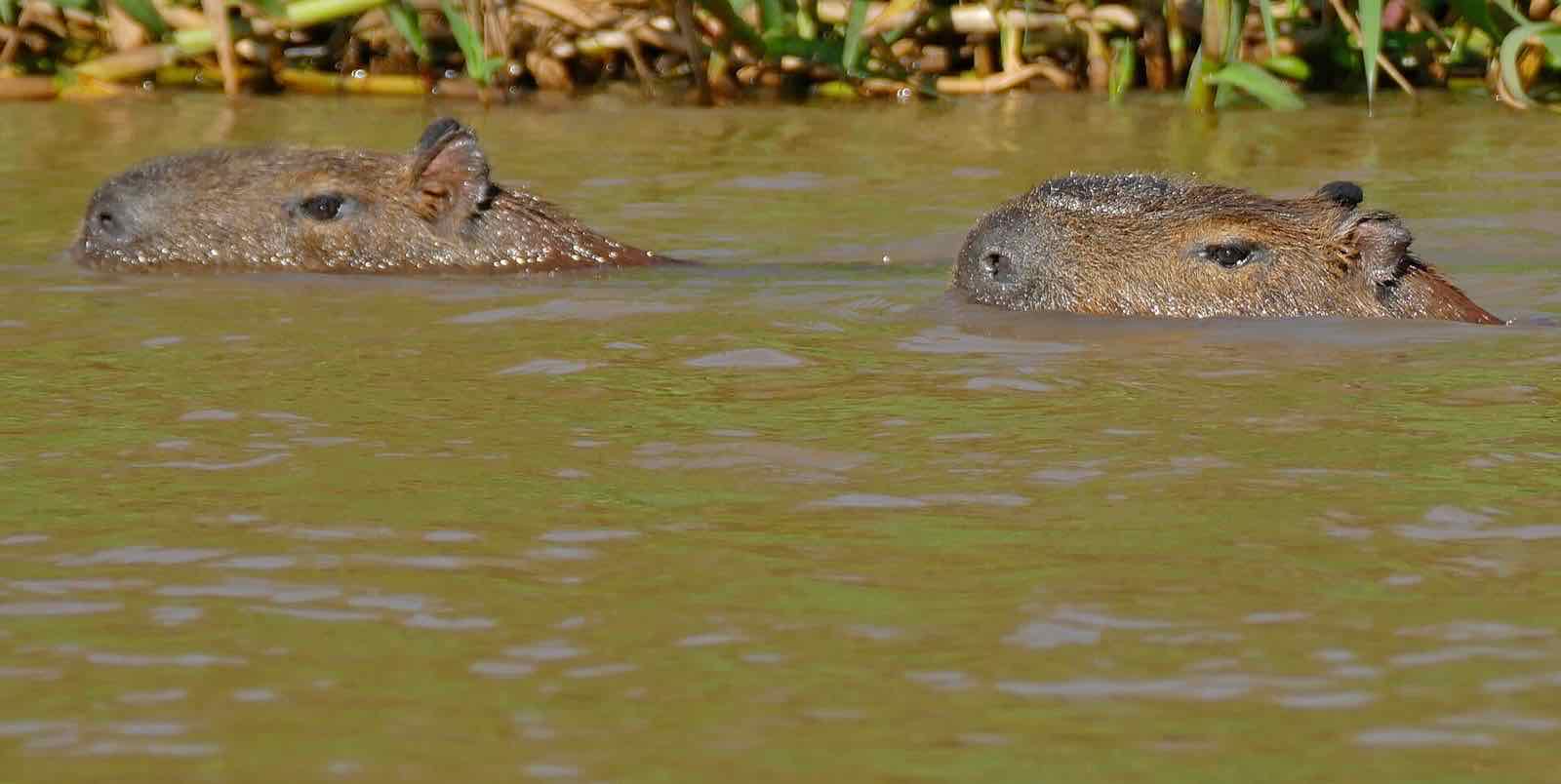
Periscope face
Eyes, ears and nostrils sit high on the head, so a capybara can float almost fully submerged and still see, hear and breathe — like a furry periscope.
02
Webbed toes
Partially webbed feet turn every leg into a paddle. They swim gracefully, often in pairs, and even mate in the water.
03
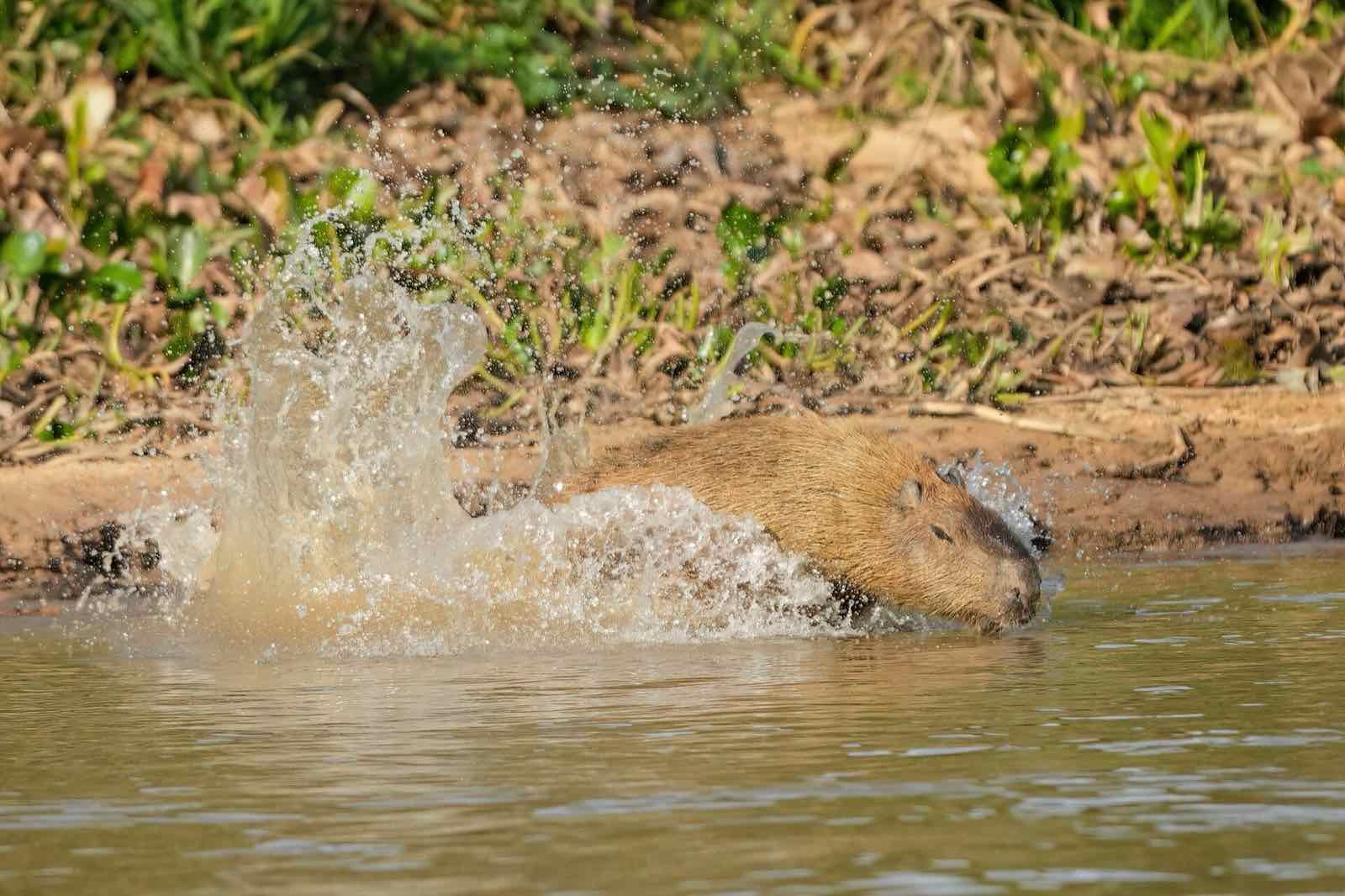
The great escape
When a jaguar shows up, capybaras sprint for the water, dive, and can stay hidden under the surface for up to five minutes. This photo is that exact moment.
04
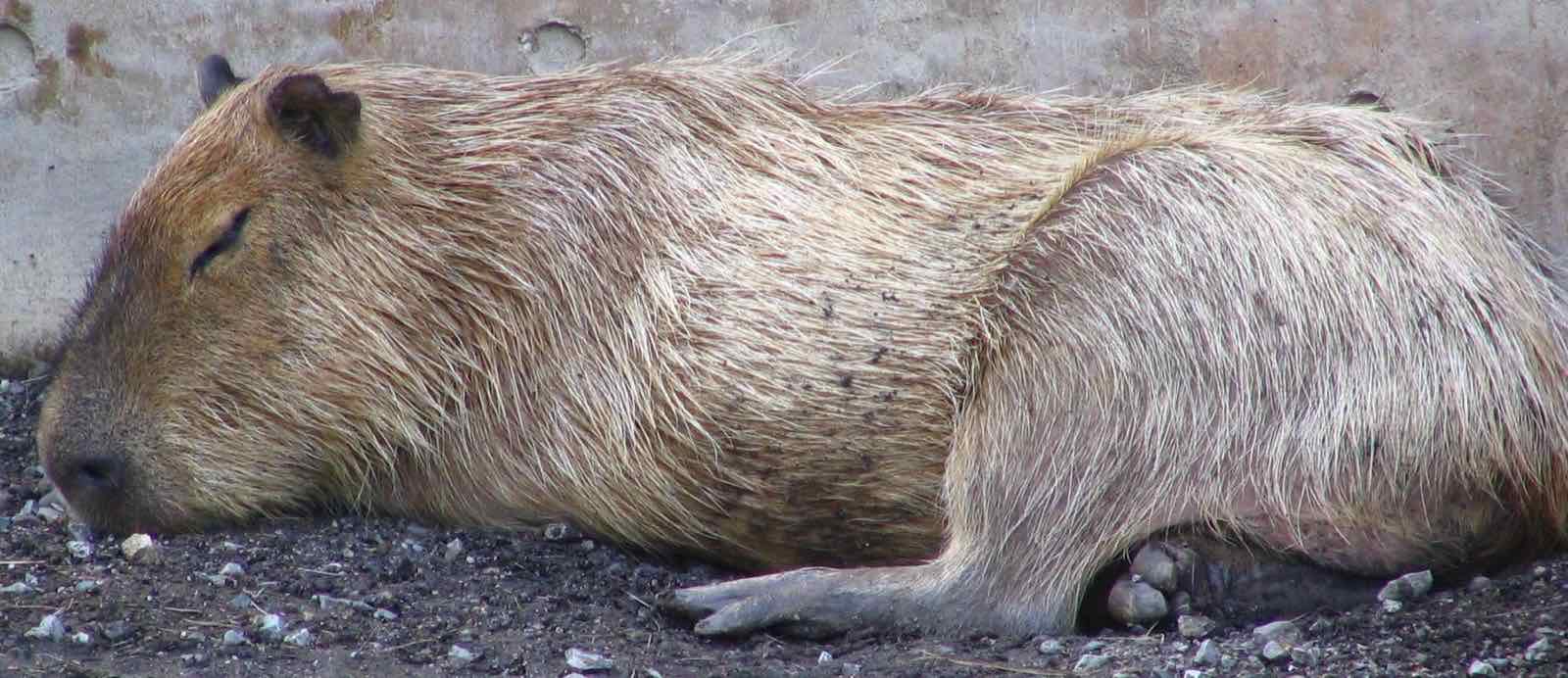
Nap anywhere
They doze in short bursts through the day — and can even sleep in shallow water with just the nose sticking out. Mud wallows double as sunscreen and air-con.
Intermission · Bring home the calm
Respect the capybara.
Carry it everywhere.
Thoughtfully designed Käpi goods, made to order by KäpiStyle.


04 · The friendliest chair in nature
Everyone wants to sit on a capybara.
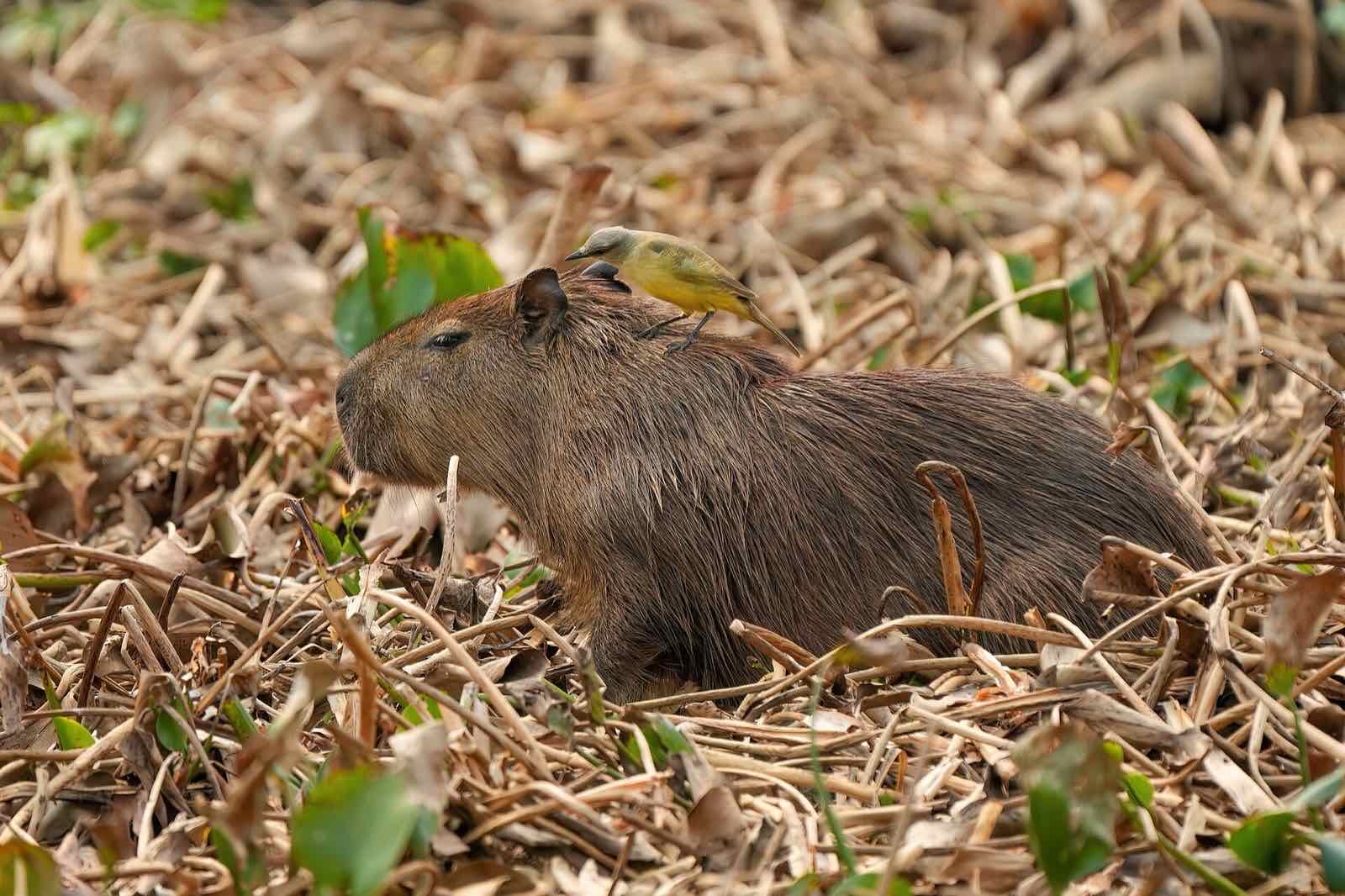
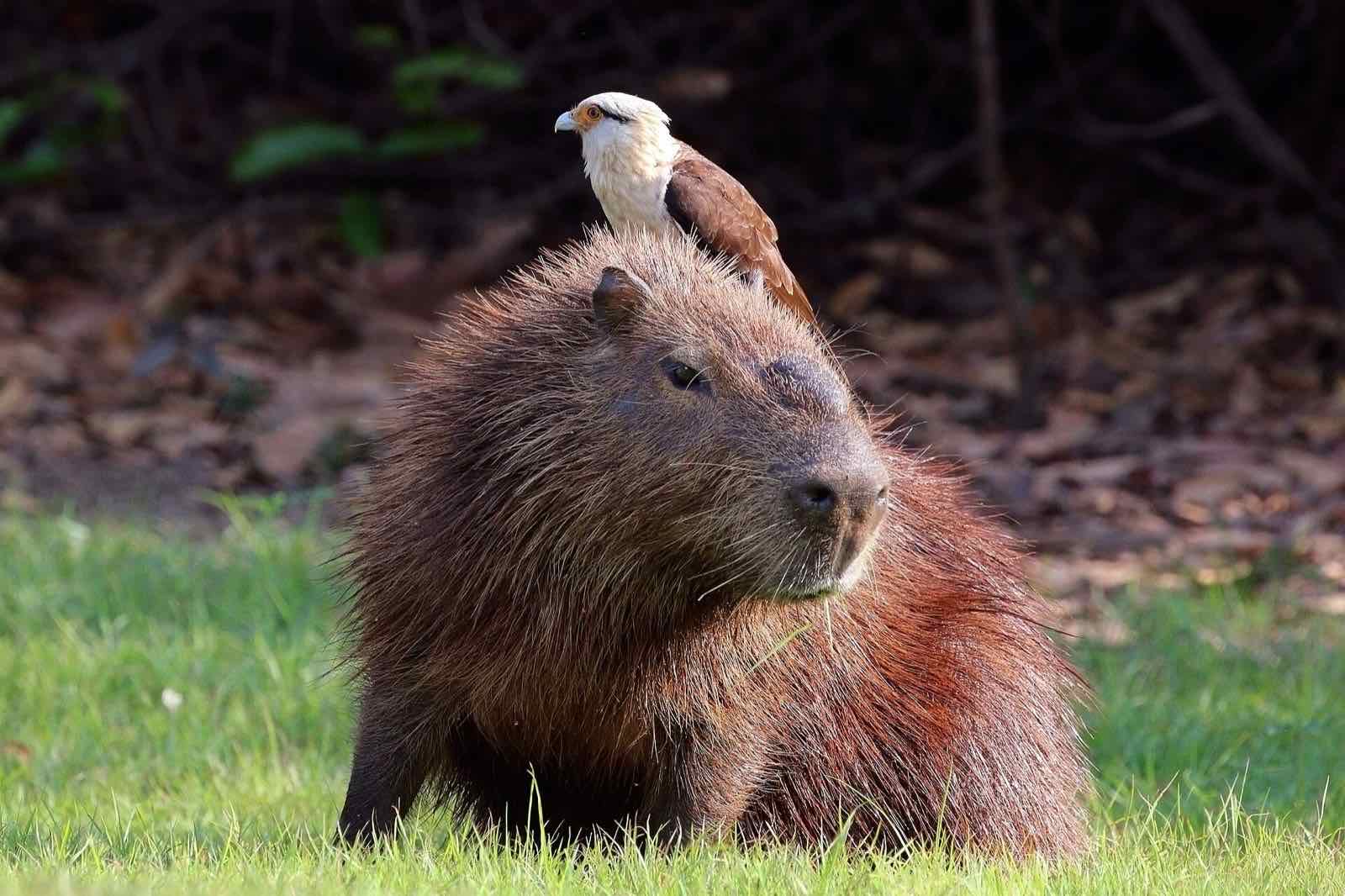
Birds, turtles, monkeys, even ducklings hop on board. It's not just cute — it's a deal.
The deal
- Birds get a buffet of ticks, flies and parasites.
- Capybaras get a free grooming service and an early-warning system.
- Scientists call it mutualism. We call it friendship.
Some capybaras even lie down and lift a leg to give the birds better access. Customer service is everything.
05 · A day in the life
Graze. Soak. Nap. Repeat.
- 06:00
Breakfast buffet
Capybaras are most active at dawn and dusk. First stop: the riverbank for fresh grass.
- 12:00
Spa hours
When the sun bites, they retreat to water and mud to cool off. Their sparse fur is no match for midday heat.
- 15:00
Second breakfast (it's a lot of grass)
Grass is tough to digest, so they re-eat special droppings packed with nutrients — and sometimes regurgitate food to chew it again, like a cow.
- 18:30
Golden-hour grazing
The herd heads out together. A dominant male keeps watch and barks if danger appears.
- 22:00
Power naps
No long sleep — just short naps scattered around the clock. In areas with lots of hunters, capybaras shift to living mostly at night.
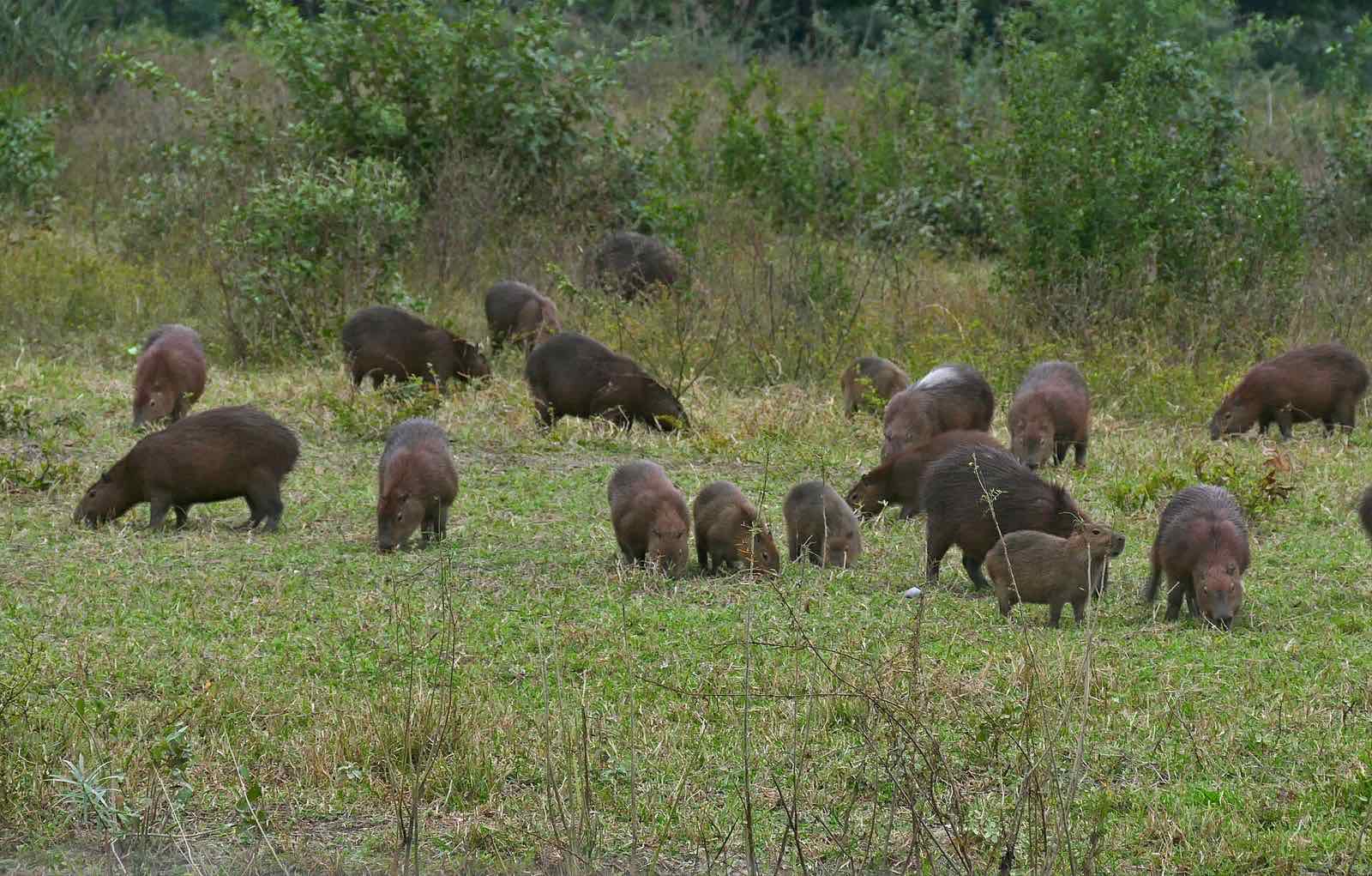
A group of capybaras is a herd — usually 10 to 20 relatives, led by one dominant male who marks his turf with the morrillo, a scent gland on his snout.
06 · Family life
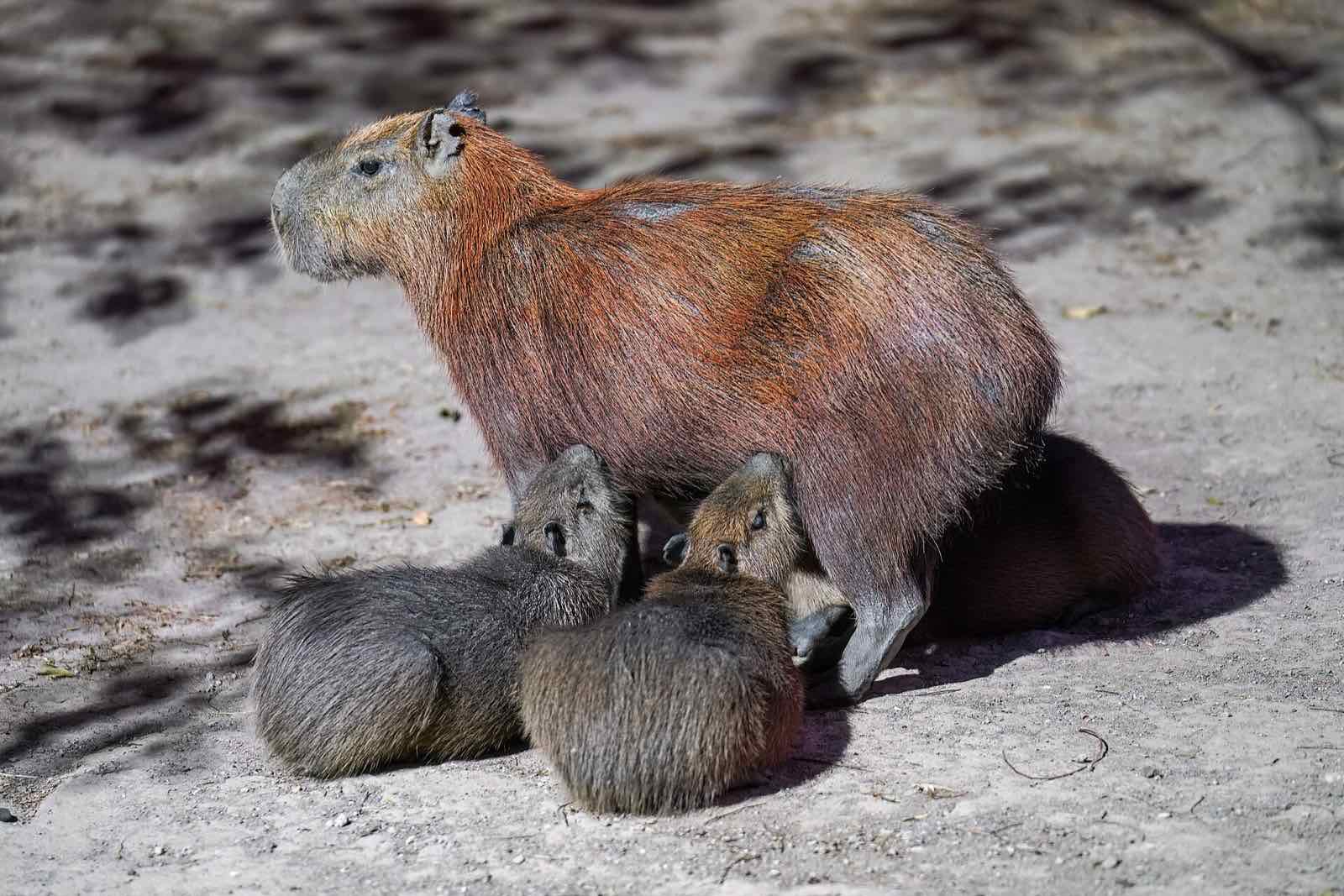
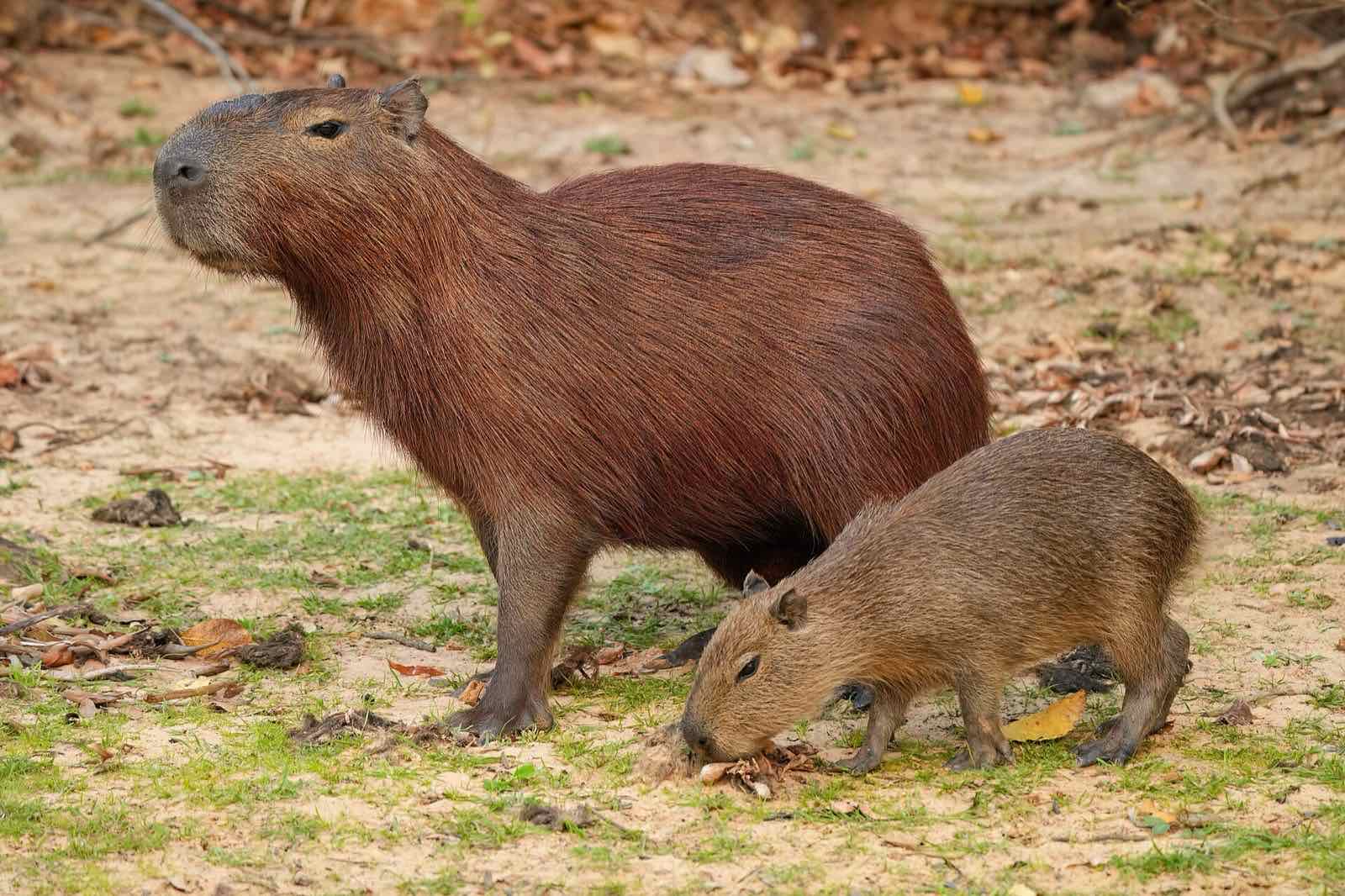
It takes a herd to raise a pup.
~150days of pregnancy
4babies in an average litter (up to 8)
Hoursafter birth, babies can walk — and they nibble grass within days
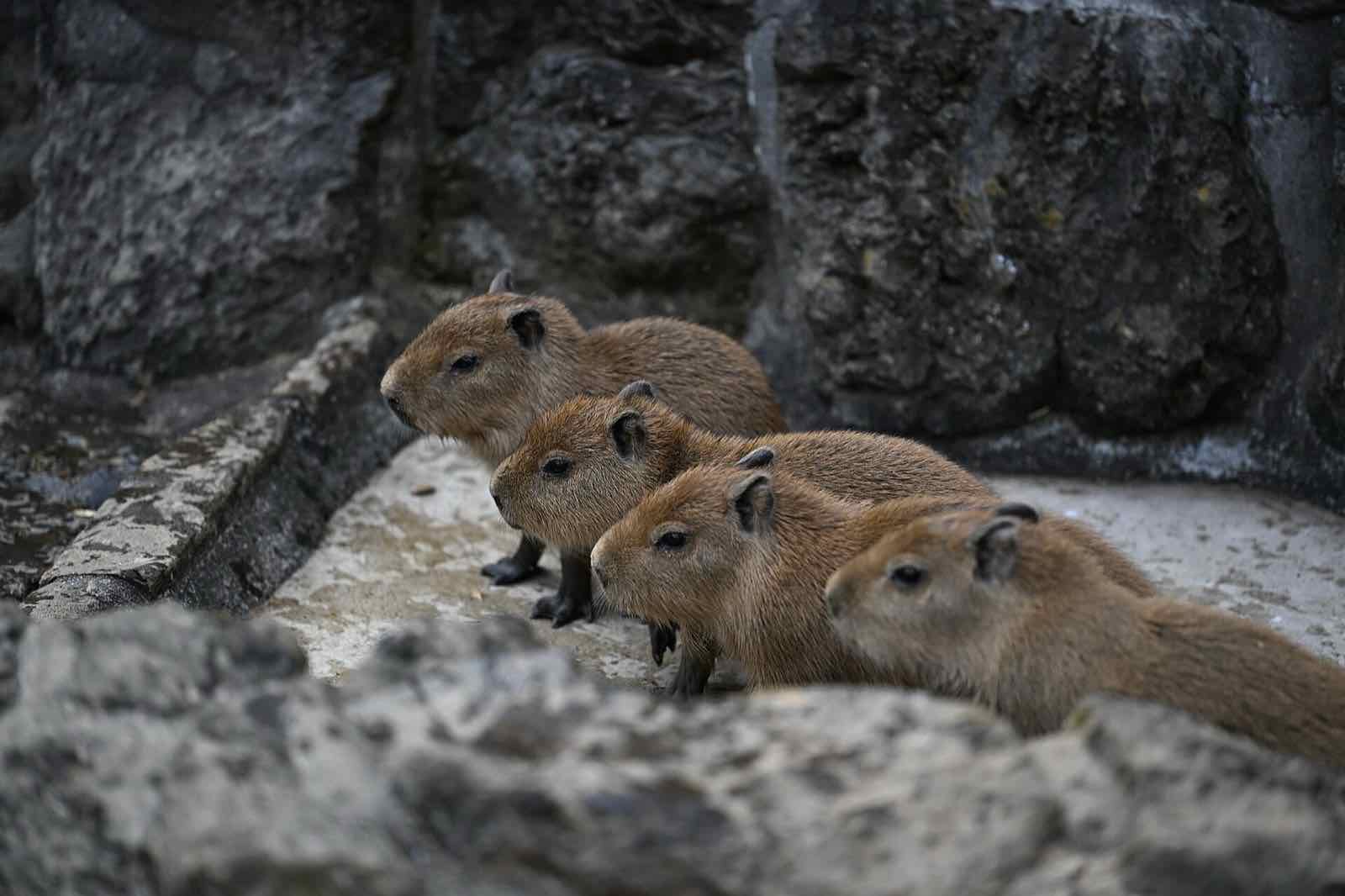
SharedMoms nurse each other's babies. The whole herd babysits.
07 · Capybara talk
They purr. Seriously.
Capybaras communicate with a whole vocabulary. Tap to hear our synthesized impressions (not real recordings — the real ones are even cuter).
08 · The hot-spring tradition
Japan invented the capybara spa day.
In 1982, a keeper at Izu Shaboten Zoo noticed the capybaras huddling in a puddle of warm water left after cleaning. He filled a bath — and a tradition was born. Today, zoos across Japan serve winter baths, often floating with yuzu citrus for the solstice, just like the human tradition of yuzu-yu.
▶ Click the bath to drop in a yuzu.

0 yuzu
09 · Myth or fact?
Flip the cards.
Royalty, heroes & pride
Meet the Käpi crew.


10 · Pop quiz
Are you a certified capybara expert?
Question 1 / 6
11 · Respect, for real
RESPECT
THE
CAPYBARA
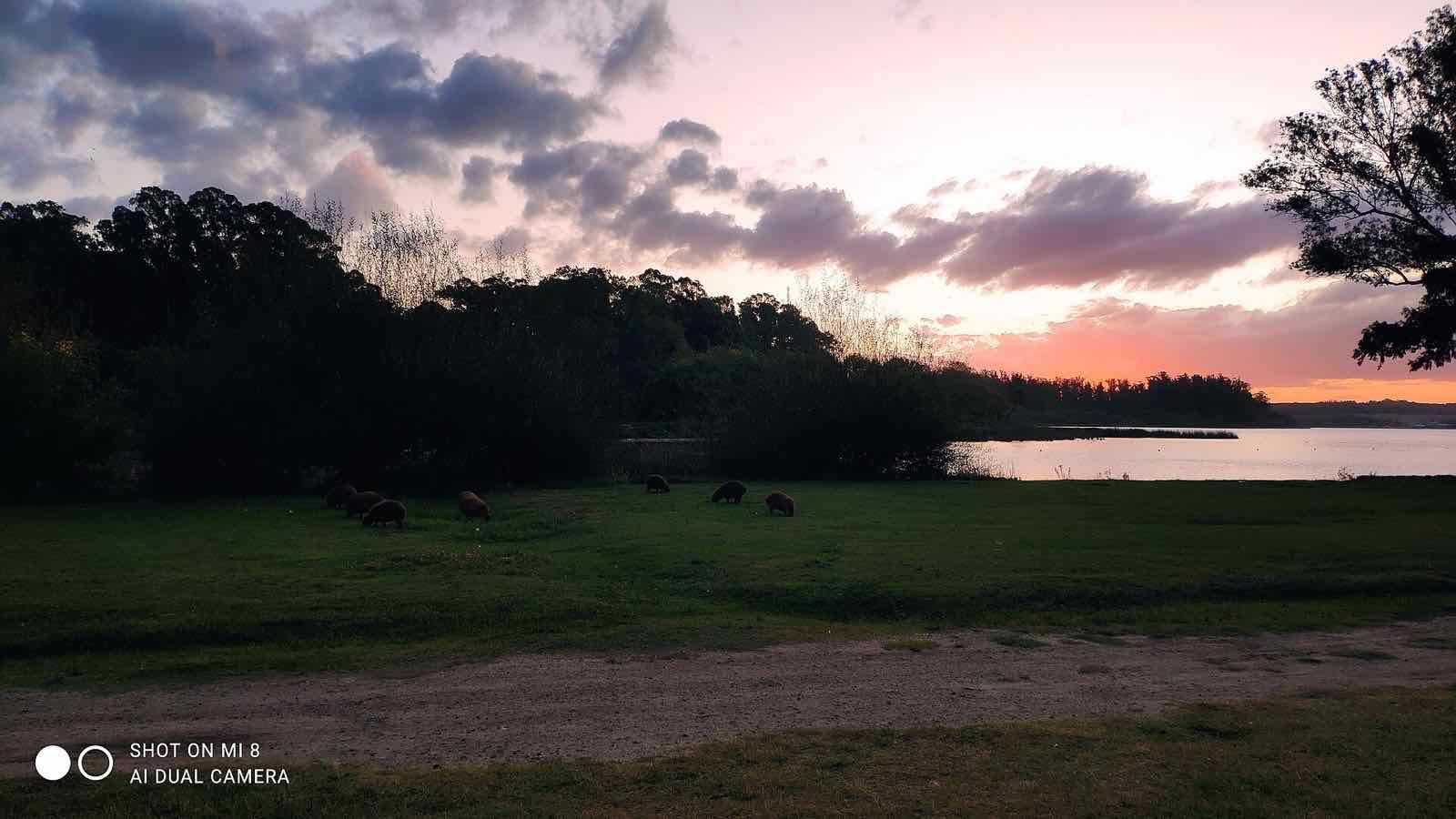
Capybaras live across nearly all of South America east of the Andes, wherever there's water and grass. They're not endangered, but they're hunted for meat and leather, and wetlands keep shrinking.
In 2021 they famously “reclaimed” Nordelta, a luxury neighborhood near Buenos Aires built on their former wetlands — and became a symbol for nature taking back its space.
How to respect them: watch wild capybaras from a distance, never feed them, support wetland protection, and remember that in most places they're wild animals, not pets.